Materials & Construction
Horsehair in Luxury Mattress Toppers: Resilience, Layering, and Care
In a luxury mattress topper, comfort is rarely the work of one material alone. Horsehair—sometimes described as horsetail—can contribute spring and structure, while wool brings a softer, more yielding layer. How these fibers are prepared, layered, enclosed, and maintained matters as much as their names.
Published November 17, 2026
Why horsehair appears in a topper
Horsehair has a long association with upholstery and bedding because its coarse, resilient fibers can recover after compression. In a mattress topper, that springiness offers a different contribution from a soft, lofty filling. Rather than acting simply as a plush layer, horsehair may help a topper feel more responsive and structured, supporting a surface that yields under weight but does not feel entirely slack.
That distinction is useful when comparing mattress topper materials. A topper is not a complete mattress, and its role is usually to modify the uppermost feel of an existing sleep surface. The result depends on the mattress below it, the topper’s thickness, the amount and arrangement of each filling, and the way the layers are held together. Horsehair is one element in that system—not a promise of a particular firmness, temperature, or level of support by itself.
Descriptions of luxury mattress toppers may use the terms horsehair and horsetail. In bedding contexts, “horsetail” commonly refers to hair from a horse’s tail, used as a filling fiber. It should not be confused with the horsetail plant, a botanically unrelated plant sometimes discussed in herbal or gardening contexts. Because terminology can vary between makers and product descriptions, check the stated material and its origin rather than relying on a name alone.
Resilience is not the same as firmness
Resilience describes a material’s tendency to spring back after pressure is removed. Firmness describes the overall impression of resistance when someone lies on a sleep surface. They are related, but they are not interchangeable. A resilient fiber can help a topper recover its loft or shape, yet the finished topper may still feel soft if it contains generous cushioning layers or sits on a yielding mattress.
This is one reason a material list cannot tell the whole story. The density and quantity of horsehair, its preparation, the surrounding fibers, the casing, and the topper’s construction all affect how the surface responds. Even two toppers that name similar materials can feel different if one is thinner, more tightly filled, or built with a different arrangement of layers.
For a sleeper, the practical question is not simply whether a topper contains horsehair. It is whether the finished construction offers the kind of surface response they want. Someone looking for a plush, enveloping feel may prioritize a thick, soft comfort layer. Someone who dislikes an overly flat or compressed surface may be more interested in how resilient fibers contribute to recovery and structure. Neither preference can be settled by a fiber name alone.
It is also important not to treat a topper as a guaranteed remedy for every mattress problem. A topper can change surface cushioning, but it cannot repair a sagging or damaged mattress core. Before choosing a new layer, consider whether the mattress beneath it remains adequately supportive and whether its dimensions, condition, and foundation are appropriate.
How horsehair and wool can work together
Wool and horsehair have distinct roles in many layered constructions. Wool is often valued for its soft, insulating character and its capacity to manage moisture within a bedding layer. Depending on how it is used, it can contribute a gentle cushion and a more settled handfeel. Horsehair, by contrast, is associated with spring and resilience. Together, the fibers can create a balance between yielding comfort and a more responsive internal structure.
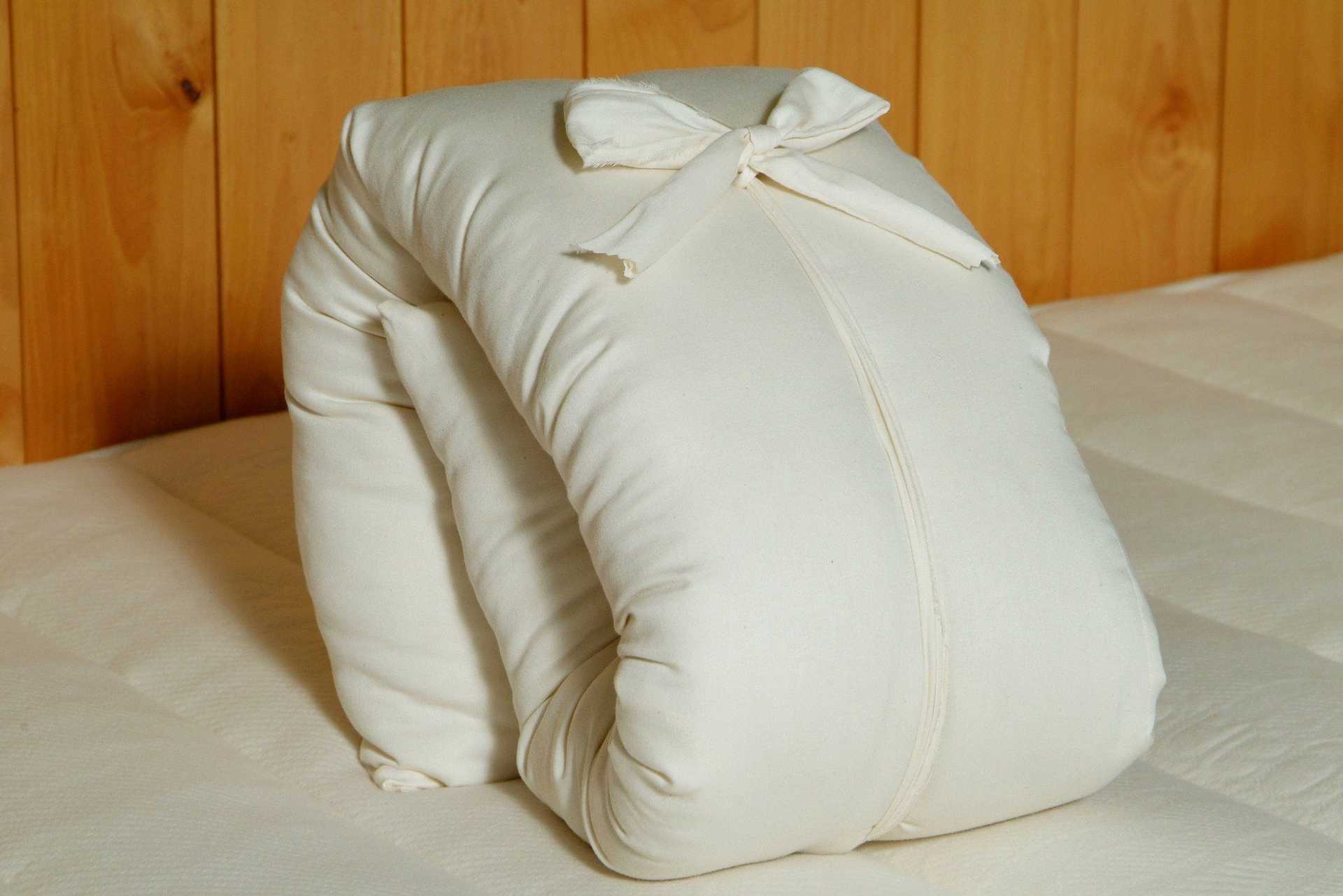
That is a broad description, not a universal recipe. One topper might place horsehair within a structured layer and use wool as a softer outer or surrounding filling. Another may use a different sequence, or may contain only wool and other materials. The order and proportion influence the experience. The fabric casing and stitching or other methods of securing the filling matter, too: the outer construction can affect how layers move, how evenly a topper lies, and how it feels under bedding.
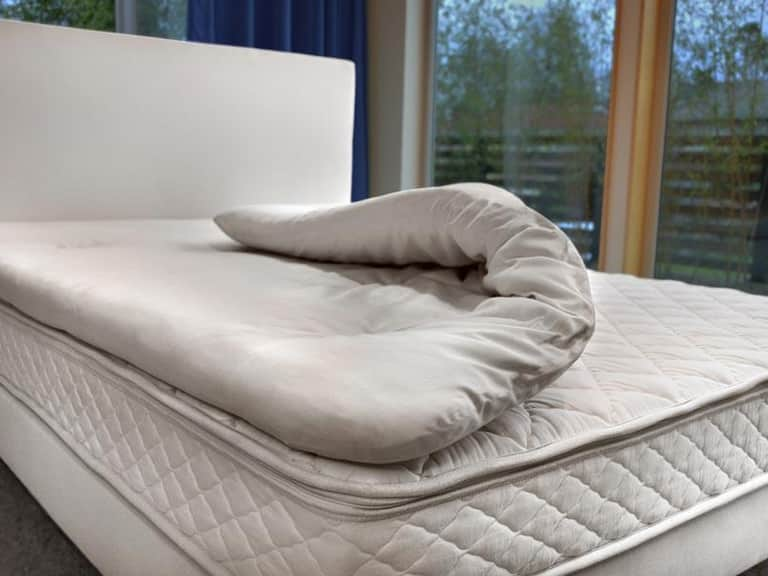
In product descriptions, a blend of British wool and South American horsetail is one example of this approach. The Vispring Heaven Luxury Supreme Mattress Topper is described as combining British fleece wool, soft-needled British wool, and South American horsetail. Its listed height is 3.9 inches. Those details indicate a layered natural-fiber construction, but they do not establish that every topper using horsehair will have the same feel, height, or care needs.
When assessing a particular model, look for a clear account of its materials and construction. Useful questions include: Is the hair described as horsehair or horsetail? Is its geographic origin stated? What other fibers are included? How thick is the complete topper? Is the filling secured in a way that helps it remain distributed? Are the care instructions specific to the finished item? Answers help make comparisons more meaningful than a headline claim such as “natural” or “luxury.”
Layering changes the feel of the bed
A topper works as part of a sleep system. Its effect comes from the interaction of the topper and mattress, not from the topper in isolation. A resilient layer placed over a firm mattress may feel quite different from the same layer placed over a softer mattress. The sleeper’s body weight, sleep position, personal comfort preferences, and the condition of the underlying bed all shape that interaction.
Thickness can be a useful point of comparison, but it is not a simple softness scale. A thicker topper may contain more material and create a more substantial change to the surface; what it feels like still depends on the filling and construction. A topper that measures several inches high is not necessarily softer than every thinner alternative, just as a resilient filling does not automatically make a bed firm.
Layering also has practical consequences. Adding a lofty topper raises the total bed height and may affect how well a fitted sheet stays in place. The topper must match the mattress dimensions closely enough to lie flat, and its edges should not be forced or folded to fit. Consider the mattress protector and sheets as part of the complete setup: a tight protector can compress a lofty layer, while a suitable protector may help guard the topper from spills and soil.
If possible, assess the topper in the context in which it will be used. A store display or short trial can offer an initial impression, but the mattress beneath the sample may differ from yours. Check the maker’s return, warranty, and compatibility information before purchase, and allow the finished bed to settle into its normal arrangement before drawing firm conclusions about comfort.
Care begins with the specific construction
Care instructions are not interchangeable across natural-fiber toppers. Some wool-filled products can be machine washed, while others are spot-clean only or must not be washed. A topper with several layers, a fitted outer cover, or particular internal construction may need a different approach from a simpler, washable wool pad. Horsehair content alone does not tell you whether a finished topper can be laundered.
Start with the product’s own label and manufacturer guidance. Do not assume that a removable-looking cover is designed to come off, or that a natural filling can tolerate water, agitation, heat, or direct sunlight. If instructions say to spot clean, use only the method specified. When a topper is not washable, using a well-fitting mattress protector and addressing small marks promptly can reduce the need for more intensive cleaning.
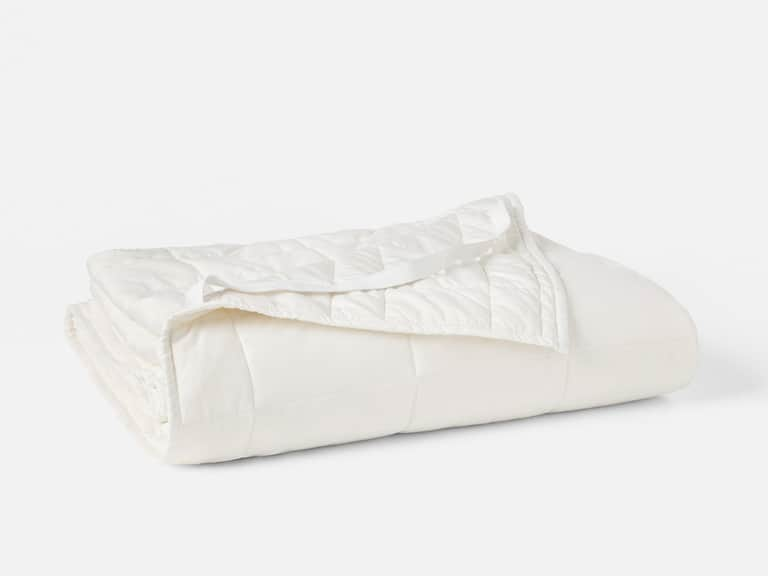
For a washable product, follow the stated water temperature, cycle, and drying method exactly. A washable wool blend such as the Washable Wool Filled Mattress Topper is specifically described as machine washable on a cold, gentle cycle, with low tumble drying and prompt removal. Those instructions are for that product and should not be applied to a topper with a different filling or construction. In particular, washing one wool layer successfully is no reason to put a horsehair-containing topper in a machine.
Regular airing and rotation may help keep a topper fresh and distribute ordinary wear, when the maker permits those steps. Use care when lifting or moving a substantial topper; pulling at one corner can strain its casing or distort the fill. Store it clean and completely dry, protected from moisture and pests, and follow any guidance about folding or rolling. If the item is too heavy or its care label recommends professional service, seek appropriate help rather than improvising.
A practical inspection checklist
Before choosing among horsehair toppers, read the description as a construction document, not just a list of appealing materials. The following details can clarify what is being offered:
- Material names: Check whether the listing says horsehair, horsetail, wool, or a blend, and whether it describes the origin of those fibers.
- Layer arrangement: Look for an explanation of how the fibers are combined or positioned. If the description is vague, ask the maker for clarification.
- Finished height: Compare the complete topper’s stated height, not only the thickness of one internal layer.
- Cover and construction: Note the casing fabric and any stated method for securing or enclosing the filling.
- Care requirements: Confirm whether the topper is spot-clean only, washable, or intended for professional cleaning, and follow that guidance.
- Fit and support: Verify the topper’s dimensions against the mattress and consider whether the mattress itself is still in good condition.
- Policies: Review warranty, trial, and return terms before buying, particularly when the final feel depends on a mattress you already own.
These checks make it easier to compare products on their actual attributes. They also prevent a common misunderstanding: a phrase such as “horsehair topper” does not tell you the quantity of hair, the exact layer sequence, or the sensation you will experience. Specific construction details are more informative than a category label.
Common assumptions worth correcting
“Horsehair always makes a mattress firm.” Not necessarily. Resilience describes recovery, not a guaranteed firmness rating. The finished feel depends on the whole topper and the mattress below it.
“Wool and horsehair do the same job.” Both are natural fibers, but that does not make their functions identical. Wool is commonly used for soft, insulating cushioning; horsehair is often selected for spring and structure. A particular product’s design may bring those characteristics together in its own way.
“All natural-fiber toppers can be aired or washed alike.” They cannot. Cleaning directions differ by material, casing, and construction. Follow the instructions for the exact model rather than borrowing advice from another topper.
“A more expensive or thicker topper will necessarily be more comfortable.” Price and height do not predict an individual sleeper’s comfort. Consider the mattress, preferred feel, material details, and available trial or return terms.
The value of a well-described material
Horsehair’s appeal in luxury mattress toppers lies in a particular combination of associations: resilience, structure, and a long history in bedding and upholstery. In modern product descriptions, South American horsetail may appear alongside British wool, for example, as part of a carefully layered filling. The story becomes useful to a shopper only when it is matched by clear information about the actual materials, their arrangement, and the care the finished item requires.
For readers comparing horsehair mattress toppers, the most reliable approach is to look beyond the fiber’s reputation. Ask what role it plays in the construction, how it is combined with wool or other materials, and how the topper is expected to be maintained. Then consider the topper as one layer in a larger bed: its feel will depend on the mattress, the sleeper, and the complete arrangement of bedding.
A resilient filling may help distinguish a topper from one built around softer fibers alone, but no material can be judged in a vacuum. The best choice is the one whose documented construction, feel, dimensions, and care requirements suit the sleep surface and habits it will meet every night.